
Rebuild Math in a Tariff Economy: Is Your Home Insured at 2027 Prices?
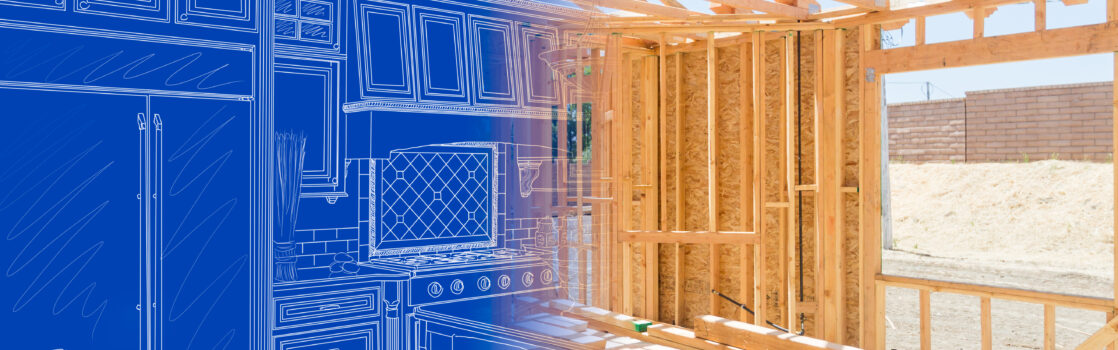
Is your homeowners insurance keeping up with the cost of rebuilding your home? As we approach 2027, rising construction costs, tariffs on building materials, and higher labor expenses are making this an important question for Ohio homeowners. If your dwelling coverage was set several years ago, it may not reflect what it would cost to rebuild your home today.
At Hertvik Insurance Group, we believe protecting your home means looking beyond your annual premium. It means understanding what your policy covers, identifying potential coverage gaps, and making sure your insurance reflects your home’s current rebuilding needs.
Why Rebuilding Cost Is Different From Market Value
Your home’s market value and its rebuilding cost are two different numbers.
Market value reflects what someone might pay to purchase your home, including the land, location, neighborhood, and local real estate demand. Rebuilding cost estimates what it would take to reconstruct your home after a covered total loss, including materials, labor, permits, and other construction expenses.
For example, your home might have a market value of $350,000 but cost $425,000 to rebuild. If your dwelling coverage doesn’t account for that difference, you could face a significant financial gap after a major fire or other covered disaster.
How much homeowners insurance do you need? Your dwelling coverage should be based on your home’s estimated replacement cost, not simply its market value or the amount remaining on your mortgage.
How Tariffs and Labor Costs Affect Rebuilding Prices
Rebuilding a home requires more than lumber and drywall. Contractors also need roofing materials, windows, electrical components, plumbing supplies, appliances, and specialized equipment.
Tariffs can increase the cost of imported building materials, while supply chain disruptions and higher labor expenses can add to the overall price of reconstruction. The National Association of Home Builders (NAHB) reported that building material costs had risen substantially since 2020 and estimated that tariff actions could add an average of $10,900 to the cost of a typical new home, based on its April 2025 builder survey.
These figures relate to home construction, not a guaranteed increase in every homeowner’s rebuilding costs. However, they illustrate why construction expenses deserve attention when reviewing your insurance coverage.
The concern heading into 2027 is straightforward: if rebuilding costs rise faster than your dwelling coverage, your home could become underinsured without you making any changes to your policy.
Even if your insurer adjusts your coverage annually, those automatic increases may not fully reflect changes to your home’s materials, finishes, layout, or local labor costs.
Why a Lower Insurance Rate Doesn’t Always Mean a Lower Renewal Bill
You might hear that an insurance carrier has lowered its rates and expect your next homeowners insurance bill to decrease. But your renewal premium depends on more than the carrier’s overall rate changes.
Your premium can change because of your home’s updated replacement-cost estimate, coverage limits, deductibles, claims history, location, and other underwriting factors.
For example, a carrier could reduce its base rates while increasing your home’s dwelling limit to account for higher construction costs. Your premium might still increase, even though the carrier’s overall rates have decreased.
Ohio’s homeowners insurance market has experienced both rate increases and reductions among different carriers. That’s why it’s important to compare the details of your renewal rather than focusing on the premium alone.
At Hertvik, we encourage homeowners to review both the cost of coverage and the protection it provides before making a decision.
Replacement Cost vs. Extended or Guaranteed Replacement Cost
Not all homeowners insurance policies handle rebuilding expenses the same way. Understanding your policy’s replacement-cost provisions can help you prepare for unexpected construction-cost increases.
Here are three coverage terms worth discussing with your insurance agent:
– Replacement cost coverage: Generally pays the cost to repair or replace covered property without deducting depreciation, subject to your policy’s terms, limits, and conditions.
– Extended replacement cost: May provide additional coverage above your dwelling limit if rebuilding expenses exceed that limit, up to the percentage or amount specified in your policy.
– Guaranteed replacement cost: If offered by your carrier and included in your policy, this may provide broader protection against rebuilding costs that exceed your dwelling limit, subject to the policy’s terms and conditions.
These options are not available with every carrier or policy, and their protections differ. Ask your agent to explain which options your insurer offers, what limitations apply, and whether your current coverage adequately reflects your home’s rebuilding cost.
Remember, additional replacement-cost protection is not a substitute for keeping your dwelling limit accurate. The more you understand about your policy today, the better prepared you can be if you ever need to rebuild.
Your Year-End Home Insurance Checklist
Before heading into 2027, take a few minutes to review your homeowners insurance. Here are five questions worth asking:
1. Does my dwelling coverage reflect current rebuilding costs? Review your coverage limit and ask whether your home’s replacement-cost estimate needs updating.
2. Have I made improvements to my home? A kitchen renovation, finished basement, room addition, or upgraded materials could affect rebuilding costs.
3. Does my policy include extended or guaranteed replacement cost? Ask what your carrier offers and how much additional protection, if any, your policy provides.
4. Are my personal belongings adequately insured? Review your contents coverage and consider documenting valuable possessions, including jewelry, electronics, and collectibles.
5. Have I reviewed my auto insurance, too? Your home isn’t your only major financial asset worth protecting. Check your uninsured/underinsured motorist (UM/UIM) coverage to understand how your auto policy could protect you and your passengers if you’re injured in an accident caused by a driver with no insurance or insufficient insurance. These coverages are subject to policy terms and applicable state law.
That last step is easy to overlook during a home insurance review. However, a serious accident involving an uninsured or underinsured driver could leave you facing medical expenses and other financial losses. Reviewing your auto coverage alongside your homeowners policy can help you identify potential gaps in both areas.
Is Your Home Insurance Ready for 2027?
Construction costs, labor expenses, and tariffs can make rebuilding more expensive, even when your home and insurance policy haven’t changed significantly. That’s why year-end is an ideal time to confirm that your coverage still fits your needs.
At Hertvik Insurance Group, we help homeowners understand their coverage, compare insurance options, and identify potential gaps before a claim occurs. Our goal is to help you make informed decisions about protecting your home, your family, and your financial future.
Ready to find out whether your home is insured at 2027 prices? Contact Hertvik Insurance Group to schedule a year-end home coverage review. We’ll help you evaluate your current dwelling limit, discuss available replacement-cost options, and review your broader insurance needs so you can start the new year with greater confidence.