
What If Your Home Is Damaged and You Can’t Live There?
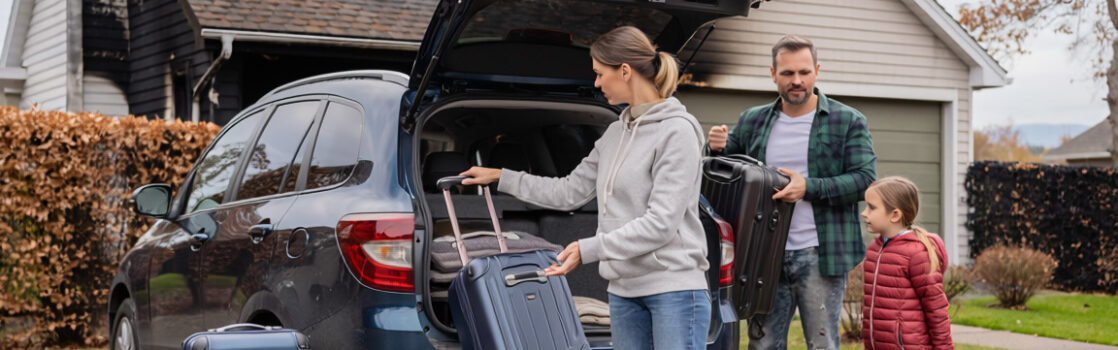
Imagine this: A kitchen fire breaks out while you’re at work. The good news is that everyone is safe. The bad news? Your home suffers extensive smoke and water damage, and the restoration company tells you it could be months before you can move back in.
Where will you stay? Who pays for hotel bills, restaurant meals, and other unexpected expenses?
Many homeowners focus on protecting their house and belongings, but few think about what happens when they suddenly can’t live in their home. That’s where Additional Living Expenses (ALE) coverage can make a huge difference.
What Is Additional Living Expenses (ALE) Coverage?
Additional Living Expenses (ALE) coverage is a part of most homeowners insurance policies that helps pay for the extra costs you incur when a covered loss makes your home temporarily uninhabitable.
In simple terms, ALE helps cover the increased cost of maintaining your normal standard of living while your home is being repaired or rebuilt after a covered claim.
For example, if a fire, windstorm, or other covered event forces you out of your home, ALE may help pay for:
- Hotel or temporary housing costs
- Additional food expenses
- Laundry services
- Pet boarding
- Storage fees
- Increased transportation costs
The key word is additional. ALE covers expenses above what you would normally spend.
Example:
If your family normally spends $800 per month on groceries but must spend $1,300 eating out while living in a hotel, ALE may cover the additional $500 difference.
1. ALE Helps Maintain Your Lifestyle During a Crisis
When disaster strikes, your focus should be on your family’s safety and recovery—not worrying about how you’ll afford temporary housing.
ALE coverage provides financial support so you can continue living comfortably while repairs are completed.
Example:
A severe summer storm causes a large tree to crash through a family’s roof. Water damage affects multiple rooms, making the house unsafe to occupy. The family stays in a furnished rental home for three months while repairs are made. Their ALE coverage helps pay for the rental costs that exceed their normal housing expenses.
Without ALE coverage, those temporary housing costs could quickly add up to thousands of dollars.
2. ALE Coverage Has Limits and Conditions
Many homeowners don’t realize that ALE coverage is subject to policy limits.
Most policies provide ALE coverage as a percentage of the home’s dwelling coverage limit, though the exact amount varies by insurer and policy.
Coverage generally lasts until:
- The home is repaired or rebuilt, or
- The policy’s ALE limit is reached
It’s also important to understand that ALE only applies when the loss is caused by a covered peril under your policy.
Example:
If a fire damages your home and makes it unlivable, ALE coverage would likely apply. However, if your home becomes uninhabitable due to a maintenance issue that is not covered by your policy, ALE benefits may not be available.
Reviewing your policy limits before a claim occurs can help prevent unpleasant surprises during an already stressful situation.
3. Good Documentation Makes the Claims Process Easier
If you ever need to use ALE coverage, keeping detailed records is essential.
Insurance companies typically require documentation to verify the additional expenses you’re claiming.
Be sure to save:
- Hotel receipts
- Restaurant receipts
- Rental agreements
- Storage invoices
- Transportation records
- Any other receipts related to temporary living expenses
Example:
A homeowner displaced by a house fire keeps a folder containing every receipt from temporary housing, meals, and laundry services. When submitting the claim, the organized records help speed up reimbursement and reduce claim-related stress.
The more organized your documentation, the smoother the claims process is likely to be.
Frequently Asked Question: What Does Additional Living Expenses Coverage Pay For?
Additional Living Expenses coverage helps pay the extra costs you incur when a covered insurance claim makes your home temporarily uninhabitable. This may include hotel stays, temporary rentals, increased meal costs, laundry services, storage fees, and other necessary expenses that help maintain your normal standard of living while your home is repaired or rebuilt.
Protect More Than Just Your Home
Most homeowners understand the importance of protecting their house and personal belongings. However, protecting your family’s ability to live comfortably after a major loss is just as important.
Additional Living Expenses coverage can provide valuable financial relief when the unexpected happens, helping you focus on recovery instead of worrying about temporary housing and everyday expenses.
If you have questions about your homeowners insurance policy or want to better understand your Additional Living Expenses coverage, contact Hertvik Insurance Group today. Our team can review your policy, explain your coverage options, and help ensure you’re prepared before a loss occurs.