
Fleet Safety and Distracted Driving Awareness: Protecting Your Drivers, Vehicles, and Bottom Line

It only takes a few seconds for a routine delivery route to turn into a costly accident. A distracted driver glances at a text message, traffic suddenly slows, and a rear-end collision happens before there is time to react. For businesses that rely on commercial vehicles, these incidents are becoming more common and more expensive.
From rising repair costs to increased litigation and higher insurance premiums, auto claims are impacting businesses of every size. Whether your company operates a handful of service vans or a large fleet of trucks, having a strong fleet safety strategy is no longer optional. It is essential for protecting employees, customers, and your bottom line.
Here are three important ways businesses can improve fleet safety and reduce distracted driving risks.

Build a Strong Driver Safety Program
A fleet safety program creates clear expectations for employees who operate company vehicles. Without formal policies and training, drivers may unknowingly engage in risky behaviors that increase accident exposure.
An effective driver safety program should include:
- Distracted driving policies
- Cell phone usage restrictions
- Seat belt requirements
- Speeding guidelines
- Accident reporting procedures
- Defensive driving training
Consistency is key. Employees should receive regular training and reminders throughout the year, not just during onboarding.
For example, a plumbing company with multiple service vehicles may implement quarterly driver safety meetings and require all drivers to complete annual defensive driving courses. Over time, this can reduce accidents, vehicle downtime, and workers’ compensation claims tied to auto incidents.
Businesses should also create accountability measures. Monitoring motor vehicle records (MVRs), documenting violations, and rewarding safe driving habits can reinforce a culture of safety.
Use Telematics to Improve Driver Behavior
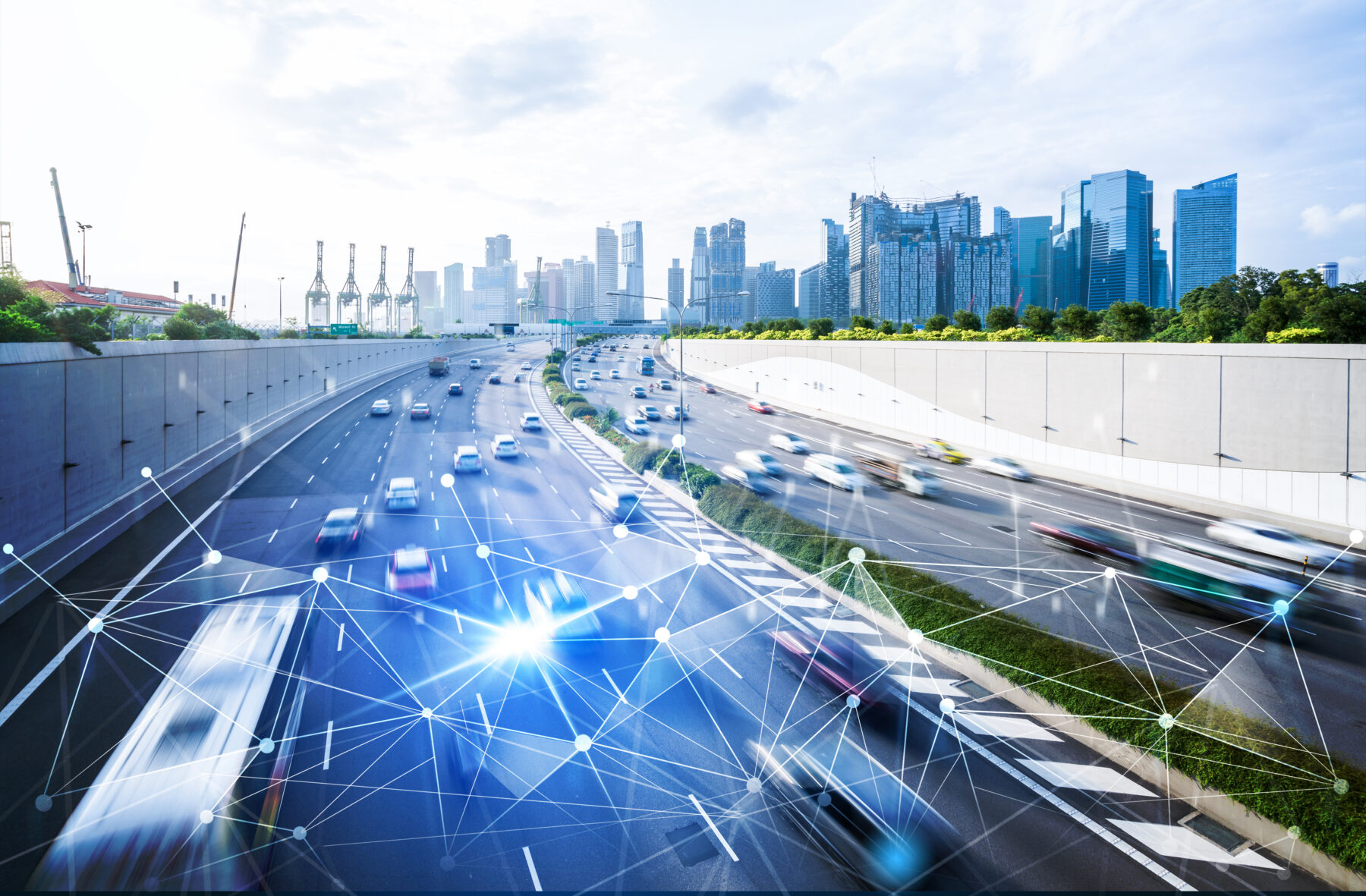
Technology is helping businesses take a proactive approach to fleet safety. Telematics systems use GPS tracking and vehicle data to monitor driver behavior in real time.
These systems can track:
- Speeding
- Hard braking
- Rapid acceleration
- Idling time
- Route efficiency
- Cell phone distraction events
The goal is not simply to monitor employees. It is to identify risky driving patterns before they lead to accidents.
For instance, a delivery company may discover through telematics reporting that several drivers frequently brake hard in high-traffic areas. Management can then provide coaching and adjust routes to improve safety.
Telematics can also provide benefits beyond accident prevention. Many businesses use the data to improve fuel efficiency, reduce maintenance costs, and streamline operations.
Insurance carriers increasingly value businesses that invest in telematics because it demonstrates a commitment to risk management. In some cases, businesses may even qualify for more favorable insurance pricing or underwriting considerations.
Understand the Rising Cost of Auto Claims
Commercial auto claims have become significantly more expensive in recent years. Even relatively minor accidents can result in major financial consequences due to:
- Increased vehicle repair costs
- Advanced vehicle technology and sensors
- Higher medical expenses
- Nuclear verdicts and litigation trends
- Supply chain delays for vehicle parts
A single serious accident involving a company vehicle can impact a business for years through increased insurance premiums, legal expenses, and operational disruptions.
Consider a contractor with several pickup trucks on the road daily. One distracted driving accident involving injuries could lead to medical costs, liability claims, lost productivity, and reputational damage. Without adequate commercial auto insurance and proper safety protocols, the financial impact can be severe.
This is why businesses should regularly review their commercial auto coverage limits, driver policies, and fleet management procedures. Risk prevention and insurance protection must work together.
Protect Your Business with a Proactive Fleet Safety Strategy
Fleet safety is about more than preventing accidents. It is about protecting your employees, controlling costs, maintaining customer trust, and keeping your business running smoothly.
A strong driver safety program, combined with telematics technology and proper insurance coverage, can help businesses reduce distracted driving risks and better manage rising commercial auto claim costs.
If you have questions about commercial auto insurance, fleet safety programs, or protecting your business vehicles, contact Hertvik Insurance Group today. Our team can help you review your current coverage, identify potential risks, and build a strategy designed to keep your business protected on the road.