
What Rising Property Values Mean for Insurance Coverage
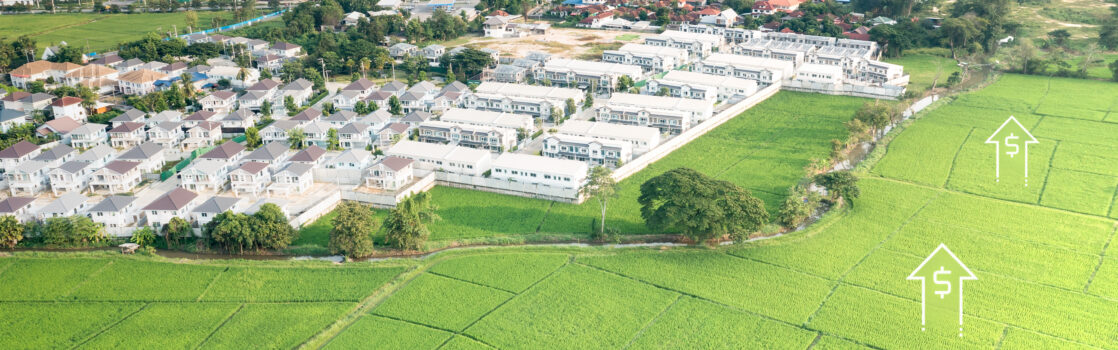
Property values are climbing, construction costs are unpredictable, and inflation continues to impact nearly every industry. For business owners, that creates a dangerous gap many don’t realize exists until it’s too late: insurance coverage that no longer reflects the true cost to rebuild or replace damaged property.
A building insured for $500,000 just a few years ago may now cost significantly more to repair or reconstruct after a loss. If your policy limits haven’t kept pace with rising costs, your business could face a major financial shortfall after a fire, storm, or other covered claim.
Here’s what rising property values mean for your insurance coverage and why reviewing your policy has never been more important.
Replacement Costs Are Increasing Faster Than Many Businesses Expect
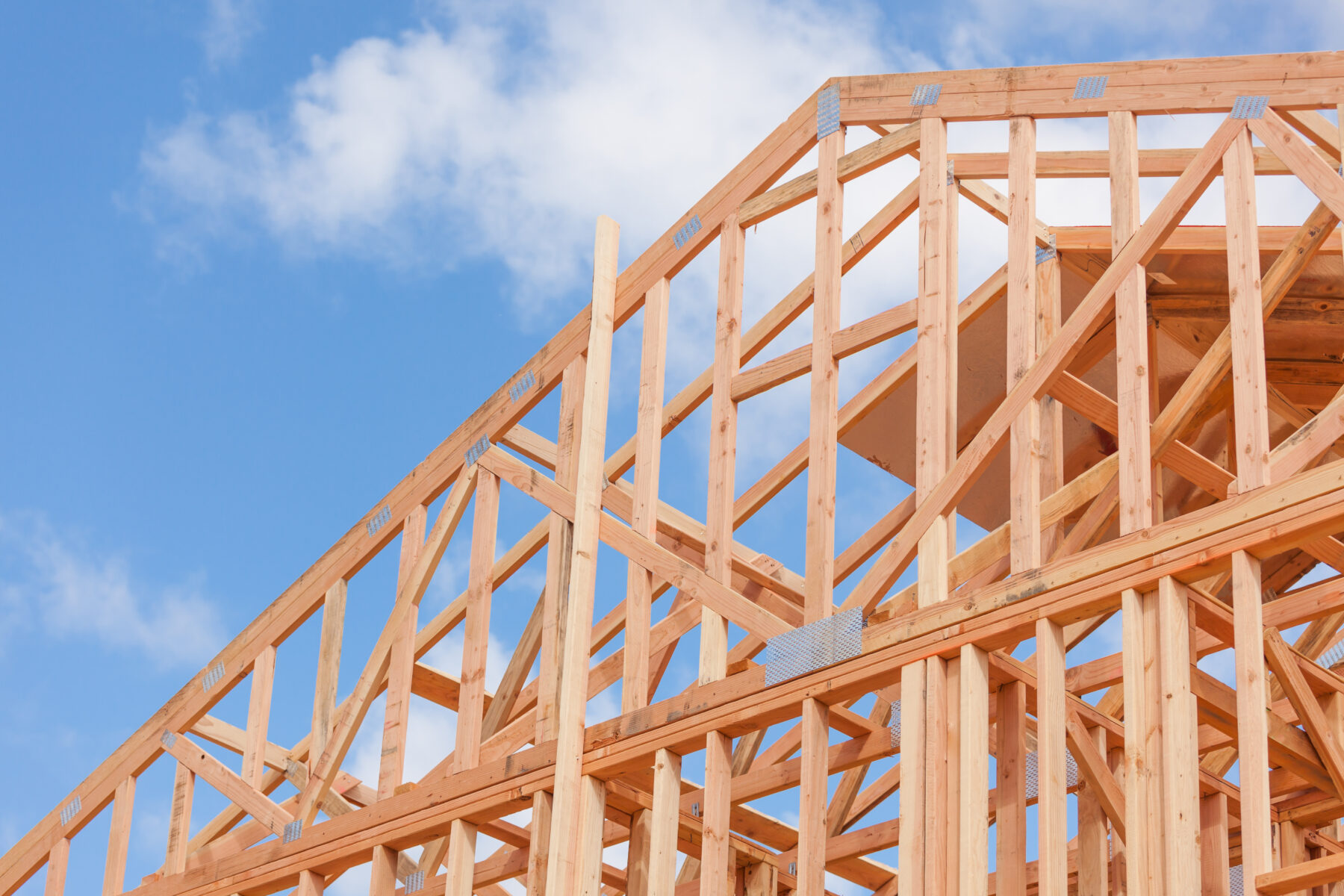
One of the biggest misconceptions in commercial insurance is that property coverage should match a building’s market value. In reality, insurance is based primarily on replacement cost, or the amount it would take to rebuild the property using current labor and material prices.
Construction expenses have risen sharply in recent years due to supply chain disruptions, labor shortages, inflation, and higher material costs. Lumber, steel, roofing materials, electrical components, and specialized equipment have all experienced price increases that directly affect rebuilding costs.
For example, imagine a commercial warehouse insured for $1 million in 2021. If rebuilding costs have increased by 25% since then, the actual reconstruction expense today could exceed $1.25 million. Without updated coverage limits, the business owner may have to pay the difference out of pocket after a major claim.
This is why annual insurance reviews are critical. Business owners should regularly reassess property valuations to ensure coverage reflects current replacement costs, not outdated estimates.
Underinsurance Is Becoming a Growing Risk for Businesses
Underinsurance occurs when a property is insured for less than its actual replacement value. Unfortunately, many businesses don’t discover they are underinsured until they file a claim.
In some cases, underinsurance can trigger coinsurance penalties. This means the insurance company may reduce the claim payout because the property was not insured to the required percentage of its value.
For example, let’s say a business building should be insured for $2 million but only carries $1.4 million in coverage. After a partial fire loss totaling $400,000, the insurance payout could be reduced because the building was undervalued on the policy.
This creates a serious financial burden during an already stressful situation.
Businesses that are especially vulnerable to underinsurance include:
- Older buildings with outdated valuations
- Manufacturers with expensive equipment
- Property owners with recent renovations or additions
- Businesses experiencing rapid growth
- Companies with specialized construction features
Even businesses that increased limits a few years ago may still be behind current replacement costs.
Inflation Impacts More Than Just Buildings
Rising costs don’t only affect commercial property structures. Inflation can also impact:
- Business personal property
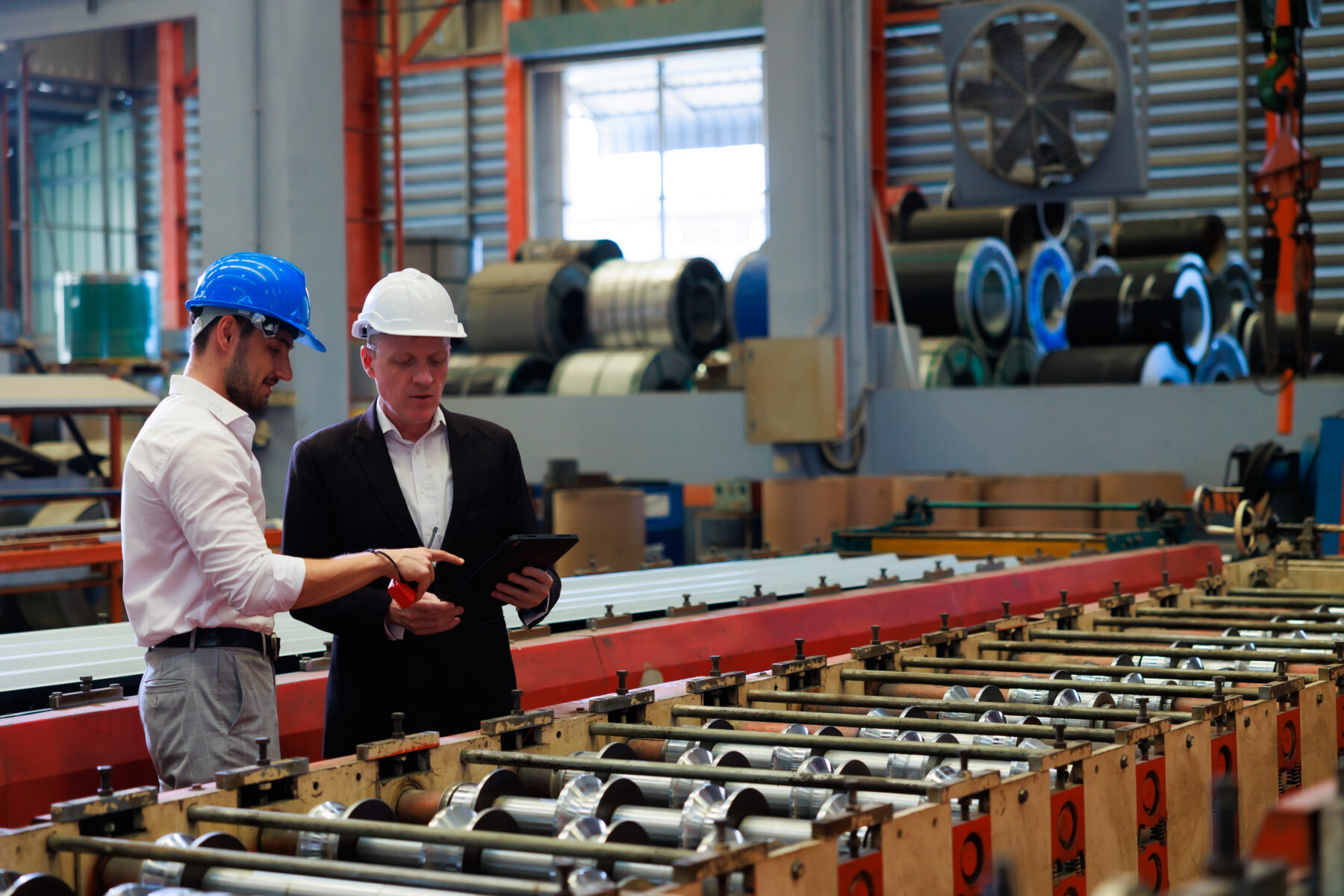
- Equipment and machinery
- Inventory values
- Business interruption expenses
- Rental income exposures
- Debris removal and ordinance or law costs
For example, if replacement equipment now costs 30% more than it did when your policy was written, your coverage may no longer be adequate after a loss. The same applies to inventory. Businesses carrying higher-value inventory due to supplier price increases may unintentionally exceed policy limits during peak seasons.
Business interruption coverage is another area that deserves attention. If operating expenses, payroll, or temporary relocation costs have increased, insufficient limits could make it difficult for a business to fully recover after a covered event.
A comprehensive insurance review can help identify these gaps before they become costly problems.
Why Proactive Insurance Reviews Matter
Insurance is not something businesses should “set and forget.” Property values, operational costs, and risk exposures change over time. Policies should evolve alongside them.
Working with an experienced insurance advisor can help ensure your business has:
- Accurate replacement cost valuations
- Proper property limits
- Adequate business interruption coverage
- Updated equipment and inventory values
- Protection against inflation-related coverage gaps
The goal is simple: protecting your business from unexpected financial exposure when a claim occurs.
Protect Your Business Before a Loss Happens
Rising property values and increasing construction costs are changing the insurance landscape for businesses across every industry. Waiting until after a loss to discover coverage gaps can be financially devastating.
The team at Hertvik Insurance Group can help review your current insurance program and identify areas where your coverage may need to be updated. If you have questions about your commercial property insurance, replacement cost valuations, or potential underinsurance risks, contact Hertvik Insurance Group today to make sure your business is properly protected for the future.