
Vacation Home and Airbnb Risks: What Every Homeowner Should Know Before Renting
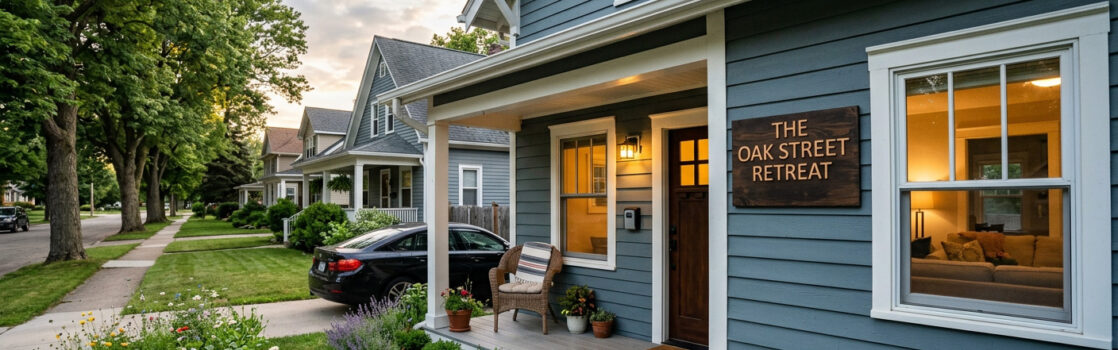
Vacation homes and short-term rentals through platforms like Airbnb have become more popular than ever. Whether you are renting someone else’s property for vacation or occasionally renting out your own home for extra income, there are important insurance risks many people overlook. Understanding these risks can help protect your finances, property, and peace of mind.
Your Standard Home Insurance Policy May Not Cover Short-Term Rentals
One of the biggest misconceptions homeowners have is believing their existing homeowners insurance automatically covers short-term rentals. In many cases, it does not.
Traditional homeowners insurance policies are designed for owner-occupied residences, not homes being used as temporary rental properties. If you rent out your home through Airbnb or another vacation rental platform, your insurer may view that activity as a business exposure.
For example, imagine you rent your lake house for several weekends during the summer. A guest accidentally causes water damage that impacts multiple rooms. If your insurance carrier determines the home was being used as a short-term rental without proper coverage, your claim could be denied.
Likewise, if you are staying in a vacation rental, your personal belongings may have limited protection under your homeowners or renters insurance policy while away from home. It is important to review your policy details before traveling.
Some insurance companies offer endorsements or specialized short-term rental policies that can help fill these coverage gaps. These policies may include:
- Property damage protection
- Liability coverage
- Loss of rental income coverage
- Guest injury protection
The key is making sure your insurance reflects how the property is actually being used.
Liability Risks Can Become Very Expensive
Liability claims are one of the most significant risks associated with vacation rentals.
When guests stay in your property, you could potentially be held responsible for injuries or accidents that occur on the premises. Even minor incidents can lead to major legal and financial consequences.
For instance, a guest could:
- Slip on icy stairs
- Fall from a deck railing
- Be injured using a swimming pool or hot tub
- Experience food-related illness from appliances or grills
If a lawsuit follows, legal costs and medical expenses can add up quickly.
Now consider the opposite situation. If you are renting a vacation property and accidentally cause damage, you may be personally responsible. For example, a cooking accident that causes smoke damage or an overflowing bathtub that damages lower floors could lead to thousands of dollars in repair costs.
Some vacation rental platforms offer limited host protection programs, but these programs often contain exclusions and coverage limitations. They should never be viewed as a replacement for a properly structured insurance policy.
An umbrella liability policy may also provide valuable additional protection for homeowners who frequently rent out their properties or own multiple vacation homes.
Vacant and Seasonal Homes Create Unique Insurance Challenges
Vacation homes often sit vacant for extended periods, which creates additional insurance concerns.
Empty homes are generally more vulnerable to:
- Theft and vandalism
- Undetected water leaks
- Storm damage
- Frozen pipes
- Maintenance-related issues
For example, a pipe could burst during the winter while nobody is at the property for several weeks. Without someone checking the home regularly, the resulting water damage could become severe before it is discovered.
Insurance carriers may impose special requirements for seasonal or secondary homes, such as:
- Regular property inspections
- Security systems
- Winterization procedures
- Vacancy limitations
Failing to meet these requirements could impact claim eligibility.
Homeowners should also consider whether their policy includes replacement cost coverage sufficient to rebuild the property if a major loss occurs. Construction costs and material prices continue to rise, making accurate valuations more important than ever.
Protect Your Vacation Property the Right Way
Whether you are booking a beach house for a family getaway or renting out your own property for supplemental income, understanding the insurance risks involved is essential. Short-term rentals can create coverage gaps that many homeowners never realize exist until it is too late.
The best approach is proactive planning. Reviewing your homeowners policy, liability limits, and rental activity with an experienced insurance professional can help you avoid costly surprises down the road.
If you have questions about insurance coverage, vacation homes, or Airbnb-related risks, contact Hertvik Insurance Group today. Our team can help you evaluate your current coverage and make sure you are properly protected before your next vacation or rental opportunity.